





 MTA32ATF4G64HZ-2G6B2 SODIMM DDR4 MICROM
News
Contact us

TEL:+86-755-82988826
PHONE:+8619166208396
PHONE:+8619166208396
Q Q: 3628728973
e-mail:3628728973@qq.com
e-mail:3628728973@qq.com
Long xin storage is not affected by the export control, continue to promote the Shanghai IPO
2023-05-16 分类:行业动态
Chinese chipmaker Changxin Memory has received confirmation from U.S. chip tool makers that it can supply equipment for a new production line, boosting capital expenditure expansion plans by $4 billion to $5 billion and pressing ahead with a Shanghai listing, the Financial Times reported.
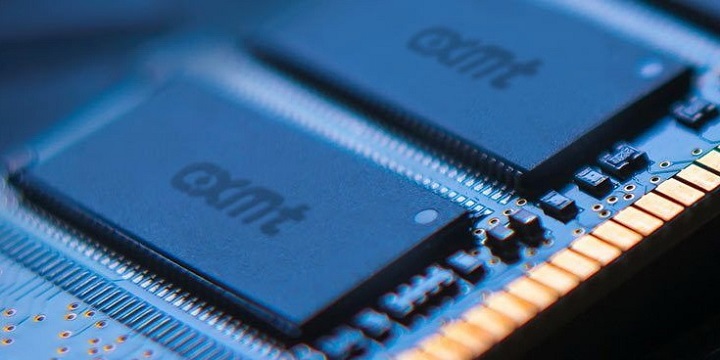
After months of uncertainty, Changxin has been told that the chip-making equipment it needs isn't affected by the U.S. export control order, according to people familiar with the matter.
Founded seven years ago, Changxin is one of China's top DRAM memory chip makers and the only mainland manufacturer capable of producing memory chips below 20 nanometers. Changxin plans to use US equipment to make less sophisticated chips for mobile phones, servers and electric cars, bypassing tighter US controls on advanced chip equipment.
The source of Changxin's new US equipment was not disclosed, according to the sources, but Lam Research and KLA both said recently that the US government had issued "analytical notes" allowing the companies to expand sales to mainland China this year. The announcement means that both companies will be able to sell devices that were previously feared to be banned.
Those increased equipment sales are worth "hundreds of millions of dollars," Colin Research and Development Chief Financial Officer Doug Bettinger said in a recent earnings call. Kolei Chief Financial Officer Bren Higgins also said in a recent earnings call that the announcement would "create some opportunities to support older generation memory devices in China" and that additional sales could exceed $200 million.
Neither Kolin nor Kolin said which Chinese company would bring in additional sales, but a person familiar with the matter said the analysis would allow the two companies to sell chip-making equipment to Changxin Storage. Another person said the ministry's analysis note did not change the basis for the October export control order, but indicated the correct method companies should use to calculate nanoscale levels of customers' chips.
Changxin, based in Anhui province, is now eyeing 2023 as a growth target after it was forced to put its fab expansion plans on hold after the US introduced sweeping export controls on October 7.
Changxin has set ambitious expansion targets this year "despite the downturn in the memory chip industry", with full-year capital expenditure set to increase by about $4bn and purchases of chip-making equipment, according to people familiar with the matter.
Another source said, "Changxin Storage plans to purchase more equipment suppliers in mainland China to expand its business, so the capital expenditure can increase by more than $5 billion, testing relatively immature domestic equipment, and needs more cash."
To cope with the expenses, Changxin is planning an initial public offering on the Shanghai stock Exchange's Science and Technology Innovation board and is in discussions with at least two potential distributors, including China International Capital Corp, according to people familiar with the matter. One banker said the IPO was still in its early stages and neither its size nor timing had been determined. Neither Changxin nor SMIC responded to requests for comment from the FT.
Changxin's current valuation, based on technology assets and chip capacity, is well above 100 billion yuan ($14.5 billion) and well above the roughly 72 billion yuan valuation it was valued at after raising capital in December, people familiar with the matter said. Investors in Ruili, Changxin's parent company, currently include a fund controlled by Alibaba and Xiaomi, as well as the State Integrated Circuit Industry Investment Fund.
Although a national security investigation into U.S. memory chip maker Micron in April prompted Micron's China unit to look for alternative suppliers, Changxin Storage cannot replace Micron. One Chinese semiconductor consultant, speaking on condition of anonymity, said Changxin's technology is about eight years and four generations behind Micron's, and there is no clear path to catch up.
After months of uncertainty, Changxin has been told that the chip-making equipment it needs isn't affected by the U.S. export control order, according to people familiar with the matter.
Founded seven years ago, Changxin is one of China's top DRAM memory chip makers and the only mainland manufacturer capable of producing memory chips below 20 nanometers. Changxin plans to use US equipment to make less sophisticated chips for mobile phones, servers and electric cars, bypassing tighter US controls on advanced chip equipment.
The source of Changxin's new US equipment was not disclosed, according to the sources, but Lam Research and KLA both said recently that the US government had issued "analytical notes" allowing the companies to expand sales to mainland China this year. The announcement means that both companies will be able to sell devices that were previously feared to be banned.
Those increased equipment sales are worth "hundreds of millions of dollars," Colin Research and Development Chief Financial Officer Doug Bettinger said in a recent earnings call. Kolei Chief Financial Officer Bren Higgins also said in a recent earnings call that the announcement would "create some opportunities to support older generation memory devices in China" and that additional sales could exceed $200 million.
Neither Kolin nor Kolin said which Chinese company would bring in additional sales, but a person familiar with the matter said the analysis would allow the two companies to sell chip-making equipment to Changxin Storage. Another person said the ministry's analysis note did not change the basis for the October export control order, but indicated the correct method companies should use to calculate nanoscale levels of customers' chips.
Changxin, based in Anhui province, is now eyeing 2023 as a growth target after it was forced to put its fab expansion plans on hold after the US introduced sweeping export controls on October 7.
Changxin has set ambitious expansion targets this year "despite the downturn in the memory chip industry", with full-year capital expenditure set to increase by about $4bn and purchases of chip-making equipment, according to people familiar with the matter.
Another source said, "Changxin Storage plans to purchase more equipment suppliers in mainland China to expand its business, so the capital expenditure can increase by more than $5 billion, testing relatively immature domestic equipment, and needs more cash."
To cope with the expenses, Changxin is planning an initial public offering on the Shanghai stock Exchange's Science and Technology Innovation board and is in discussions with at least two potential distributors, including China International Capital Corp, according to people familiar with the matter. One banker said the IPO was still in its early stages and neither its size nor timing had been determined. Neither Changxin nor SMIC responded to requests for comment from the FT.
Changxin's current valuation, based on technology assets and chip capacity, is well above 100 billion yuan ($14.5 billion) and well above the roughly 72 billion yuan valuation it was valued at after raising capital in December, people familiar with the matter said. Investors in Ruili, Changxin's parent company, currently include a fund controlled by Alibaba and Xiaomi, as well as the State Integrated Circuit Industry Investment Fund.
Although a national security investigation into U.S. memory chip maker Micron in April prompted Micron's China unit to look for alternative suppliers, Changxin Storage cannot replace Micron. One Chinese semiconductor consultant, speaking on condition of anonymity, said Changxin's technology is about eight years and four generations behind Micron's, and there is no clear path to catch up.
Copyright © 2022 SSF GROUP(ASIA) LIMITED 粤ICP备19078955号

QQ Chat
QQ online chatwork:Mon to Fir 9:30am-18:30pm
Please select the following customer service online communication:


Wechat
Scan QR code and add customer

SSF provides the electronic components you need. SSF representative will contact you within 24 hours on product pricing and supply.
Name
Email
Phone
Demand
Code 
Submit
Cancel