



 MTA32ATF4G64HZ-2G6B2 SODIMM DDR4 MICROM
News
Contact us

TEL:+86-755-82988826
PHONE:+8619166208396
PHONE:+8619166208396
Q Q: 3628728973
e-mail:3628728973@qq.com
e-mail:3628728973@qq.com
South Korea unveils its 10-year chip blueprint to dominate the semiconductor industry.
2023-05-16 分类:行业动态
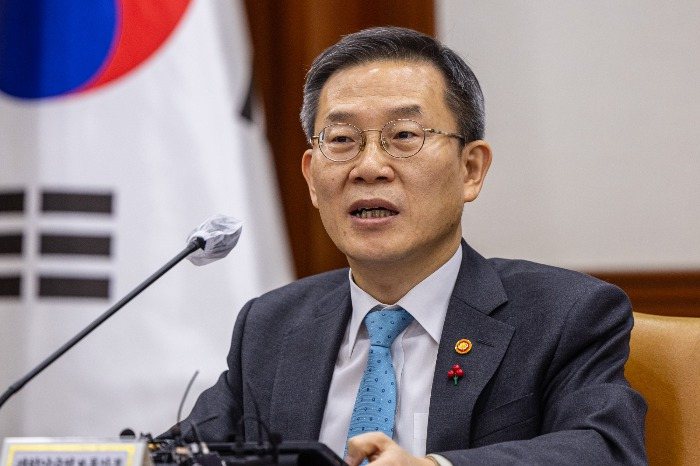
The South Korean government released a roadmap for semiconductor technology on Tuesday to ensure the country retains its technological edge in the chip industry amid intensifying global competition over the next decade. The Seoul authorities also announced a joint public-private committee to upgrade technology in areas such as memory, wafer fabrication and system semiconductors.
The roadmap covers a 10-year plan to secure core technologies, including next-generation memory semiconductors, artificial intelligence (AI), 6G, power and automotive chip design technologies, as well as developments in microfinization and packaging.
Under the strategy, the government plans to invest 563.5 billion won ($425.8 million) in chip industry research and development this year and aims to attract 340 trillion won from private companies over the next five years. The authorities also aim to develop the next generation of memory chips.
At the event, semiconductor companies such as Samsung Electronics, SK Hynix, Sapeon, RFHIC, and Wonik IPS also announced their latest technology trends.
The Ministry of Science, Technology, Information and Communication (MSIT) said it began developing the roadmap in May 2022 with the participation of businesses, academia and the government. MSIT said it will continue to update the roadmap and set the direction for development.
Seoul has announced its research and development strategy for three key technologies, including semiconductors, displays and next-generation batteries. South Korea agreed at a summit with the United States and Japan to strengthen cooperation in advanced technologies such as semiconductors. The semiconductor technology Development roadmap is a follow-up to these strategic plans and enhanced cooperation, MSIT explained.
"At today's event, we announced the government's roadmap for the future of semiconductor technology and shared research findings and technology trends," said Lee Jong-ho, Minister of MSIT. "We also set up a public and private discussion committee to lay the foundation for securing Korea's technological prowess in semiconductors."
The roadmap covers a 10-year plan to secure core technologies, including next-generation memory semiconductors, artificial intelligence (AI), 6G, power and automotive chip design technologies, as well as developments in microfinization and packaging.
Under the strategy, the government plans to invest 563.5 billion won ($425.8 million) in chip industry research and development this year and aims to attract 340 trillion won from private companies over the next five years. The authorities also aim to develop the next generation of memory chips.
At the event, semiconductor companies such as Samsung Electronics, SK Hynix, Sapeon, RFHIC, and Wonik IPS also announced their latest technology trends.
The Ministry of Science, Technology, Information and Communication (MSIT) said it began developing the roadmap in May 2022 with the participation of businesses, academia and the government. MSIT said it will continue to update the roadmap and set the direction for development.
Seoul has announced its research and development strategy for three key technologies, including semiconductors, displays and next-generation batteries. South Korea agreed at a summit with the United States and Japan to strengthen cooperation in advanced technologies such as semiconductors. The semiconductor technology Development roadmap is a follow-up to these strategic plans and enhanced cooperation, MSIT explained.
"At today's event, we announced the government's roadmap for the future of semiconductor technology and shared research findings and technology trends," said Lee Jong-ho, Minister of MSIT. "We also set up a public and private discussion committee to lay the foundation for securing Korea's technological prowess in semiconductors."
Copyright © 2022 SSF GROUP(ASIA) LIMITED 粤ICP备19078955号

QQ Chat
QQ online chatwork:Mon to Fir 9:30am-18:30pm
Please select the following customer service online communication:


Wechat
Scan QR code and add customer

SSF provides the electronic components you need. SSF representative will contact you within 24 hours on product pricing and supply.
Name
Email
Phone
Demand
Code 
Submit
Cancel